Australia banned engineered stone in 2024 to deliver a simple message to workers across the country: the silicosis crisis is being dealt with.
The dust did not disappear, however.
The ban, which came into effect on 1 July, 2024, stopped the manufacture, supply and installation of engineered stone benchtops. This product filled hospital wards with stonemasons in their 30s because of its toxic properties, and according to the Australian Government Department of Employment and Workplace Relations, Australia was the first country in the world to prevent its use.
That ban targeted a single source of respirable crystalline silica, but didn’t affect the others.
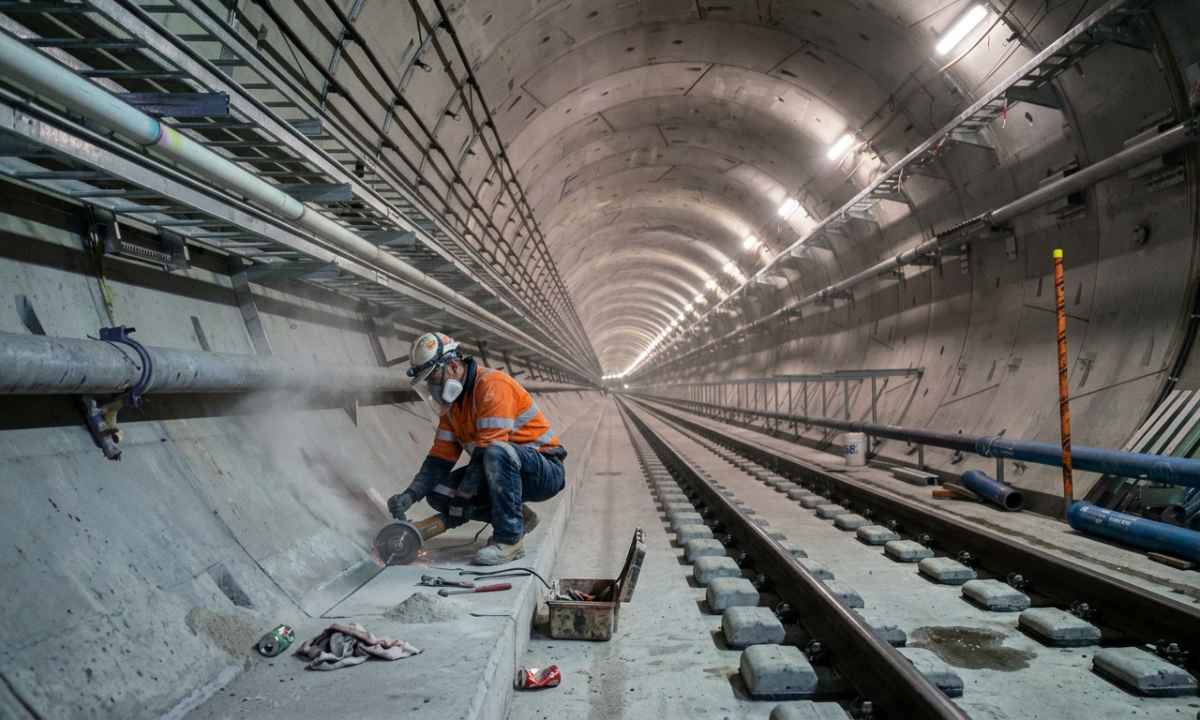
Silica is found in sandstone, granite, concrete and the rock that tunnels are cut through. Workers who cut it are still breathing it in, and in Queensland there is evidence that some of them are already on the path to contracting the disease that the engineered stone ban was meant to prevent.
The number the ban did not change
The Annals of Work Exposures and Health published research in 2025 which predicted what is coming for Queensland tunnel workers, and the findings are ominous.
The study analysed air monitoring data from three major Queensland tunnel projects, and estimated that approximately 1 in 10 tunnel workers is likely to develop silicosis over their lifetime.
Amongst around 2,000 workers, the researchers projected between 200 and 300 cases of silicosis and between 20 and 30 cases of lung cancer.
Silicosis is incurable and causes progressive scarring of the lungs, making breathing increasingly difficult. There is no point at which this damage reverses.
A disease that is still progressing
Things are much the same in the mining industry.
The Queensland government reports that, as of 30 April, 2026, there are 20 reported cases of mine dust lung disease that have resulted in progressive massive fibrosis, the most severe category. Most of those diagnoses come from the coal mining industry.
Progressive massive fibrosis is the end stage of silicosis. It is what happens when the disease is missed in its early stages, or when exposure continues after the appearance of initial signs.
The point isn’t that one industry is worse than the other, it’s that the same mineral is still doing the same damage across construction, tunnelling and mining long after the conversation has moved on from mainstream discourse.
What the studies found
The engineered stone ban was for a product, while tunnelling exposure is built into the job itself.
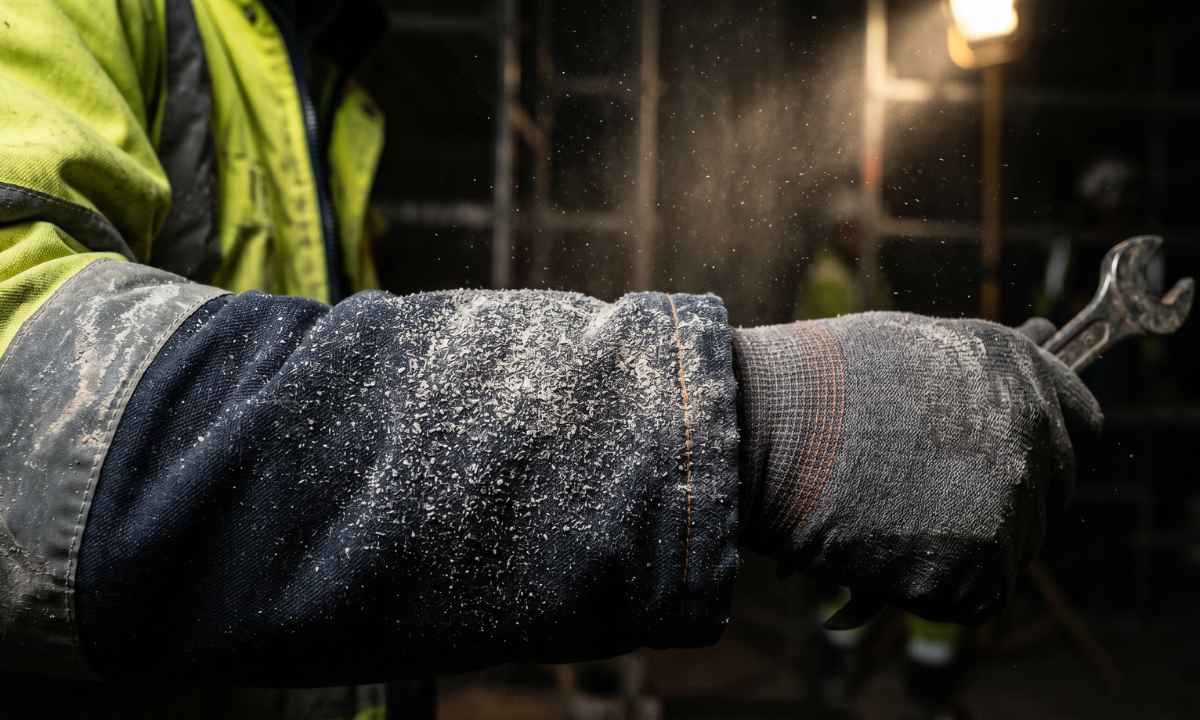
Cutting, drilling and grinding rock releases fine silica particles that stay in the air of an enclosed space. There are controls for this issue, including water suppression, ventilation and respiratory protection, but they can only protect workers when implemented consistently.
The Annals of Work Exposures and Health drew on air monitoring collected between 2007 and 2013, which means those projections are based on real exposure data, not just theory.
A worker survey conducted alongside that research suggests that the gap between knowledge of the risk and ability to control it is a wide one. As reported by the World Socialist Web Site, 62.5 per cent of 290 workers surveyed identified a range of barriers that prevented good dust control practices.
The survey also revealed an inconsistency in air quality measures, as well as what it described as “superficial compliance.”
What the public was not told
There is more to this story, and it’s about what the public has been allowed to see.
The researchers sought air monitoring reports held by a government body to build their projection. According to the World Socialist Web Site, they were unable to gain access to monitoring reports covering 2015 to 2023, which were held by the Queensland Office of Industrial Relations.
In fact, after the refusal was challenged, it turned out that the decision not to release the figures was tied to company concerns about reputation and the ability to attract new workers. Their decision not to release the reports was described as “not in the public interest.”
That quote was reported by the World Socialist Web Site, and no formal decision document has been published to confirm it, so what can actually be said outright is quite restricted.
The figures the researchers asked for were not given, which means that the most complete recent picture of tunnel dust exposure in Queensland is hidden and the people most at risk cannot see it.
Workers, therefore, cannot weigh a risk that is kept from them.
Also read: Deadly Dust: Compensation Claims on the Rise in Stone Bench-Top Industry
The rules are tightening, slowly
The regulatory response is moving, but much slower than the disease itself continues to affect workers.
Safe Work Australia has confirmed that the workplace exposure standard for respirable crystalline silica will become an enforceable workplace exposure limit on the 1 December, 2026. The numerical limit will stay at 0.05 milligrams per cubic metre, but exceeding this number shifts from being evidence of poor practice to a direct breach of regulations.
WorkSafe Queensland has also updated its framework, with the Work Health and Safety (High Risk Plant) Amendment Regulation 2026 taking effect on 29 March, 2026, making technical changes to align state rules with the national model.
These are real steps towards improving things for Queensland workers.
What accountability would actually look like
The people with the power to fix these issues are not the workers in the tunnels.
Principal contractors decide whether dust controls are properly funded and used on every shift, not just when an inspector might be coming. Regulators decide if air monitoring is enforced and whether the results are made available to the workforce. Government bodies decide if exposure data is released or withheld.
For an individual worker, the practical questions are clear: has your exposure been monitored, and have you been shown the results? Are the water suppression and ventilation systems on your site used and maintained or simply decorative?
A diagnosis of silicosis or any other dust-related disease in Queensland can also raise questions about compensation rights which are worth discussing with a lawyer as soon as they arise. This is because medical evidence and exposure records are most important while they still exist.
The ban on engineered stone was real progress, but it was never the entire issue.
The dust that is still scarring lungs in Queensland is in the rock under our cities, and in the mines and tunnels being dug right now. Closing that gap will take more than just removing one product from kitchens, it will take the people who control the worksites and the data deciding that what workers breathe is more important than profits and appearances.