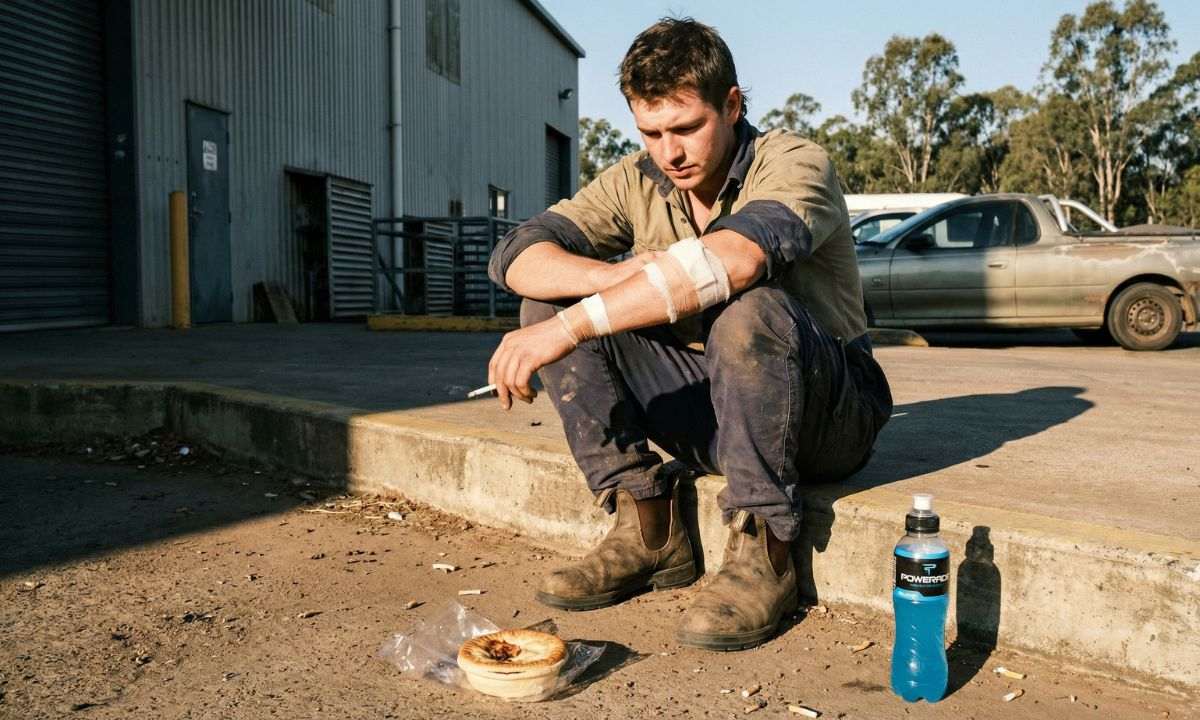
Queensland's workplace injury statistics are quite sobering, with around 4,400 young workers aged 15-24 seriously injured at work each year.
These aren't just numbers on a spreadsheet, they're apprentices learning trades, first-jobbers stocking shelves and factory workers operating machinery they've only just been shown how to use. They're somebody's child who has come home with an injury that could change the trajectory of their entire life.
This isn't about young workers being careless or reckless, it's about inexperience, workplace culture, brain development and systemic gaps in how we introduce young people to hazardous work.
Fortunately, it’s a solvable problem.
The Data Behind the Danger
Let's be clear about the scale of the problem: young workers make up roughly 16% of Queensland's workforce, but they're vastly overrepresented when it comes to injury rates.
Over a five-year period in Queensland, 372 young adults aged 15-34 were hospitalised because of injury caused by unspecified machinery. These aren't minor cuts requiring a bandaid, they’re fractures, crush injuries and serious trauma.
When you break down the types of injuries that young workers suffer, you’ll see wrist and hand fractures, broken legs and open wounds appear regularly.
The human cost extends far beyond the immediate injury, as young workers who are seriously hurt at work face chronic pain, mental health challenges like depression and anxiety, disrupted career progression and financial strain that can last years.
Understanding the Root Causes
So, why do young people get hurt at work so much more than other age groups?
The Entry-Level Risk Trap
It’s common for employers to give entry-level positions that happen to be high-risk to young workers. Jobs such as machinery operators in manufacturing plants, labourers on construction sites and delivery drivers under time pressure are common for young people.
Many employers expect young people to pick things up quickly, but research shows that they are reluctant to ask questions or speak up about problems because they're keen to make a good impression and don't want to appear incompetent.
It's not enough to simply ask if someone has experience or is comfortable and take their word for it, but that's what happens in workplaces across Australia.
The Brain Science Factor
Here's something that doesn't get discussed enough: young workers may look like adults, but the parts of the brain responsible for assessing risk and controlling impulse are still developing.
The prefrontal cortex, which handles risk assessment and decision-making under pressure, continues maturing well into the mid-20s, so young workers often fail to perceive when a situation has become risky, particularly when unexpected stressful situations arise.
This developmental reality means that supervision and training can't just be adequate, they need to be specifically designed with this vulnerability in mind. The "common sense" that experienced workers rely on is actually years of accumulated pattern recognition which young workers simply haven't had time to develop.
Culture, Pressure and the Power Dynamic
Workplace culture plays a massive role in workplace safety, especially for young people.
Young workers are more vulnerable to peer pressure and often model their behaviour based on their co-workers, whether that behaviour is right or wrong. There's also a power dynamic at play. When you're new, young and possibly on a casual contract, speaking up about safety concerns feels risky.
This is the culture that young workers have to navigate; the desire to fit in, prove themselves capable and not be a bother can override every safety instinct they have.
Why Machinery and Vehicles Are so Dangerous for Young Workers
There are two careers which are particularly dangerous for young workers: machinery operators and vehicle-related roles.
Machinery: Where Inexperience Meets Unforgiving Equipment
When working with machinery, the briefest moment of inattention can result in crushing, amputation and severe trauma.
Many young workers end up operating machinery in manufacturing, construction and agriculture, but the training they receive is often compressed. They might be shown how to operate equipment but not necessarily how to recognise when something's going wrong and how the equipment might fail.
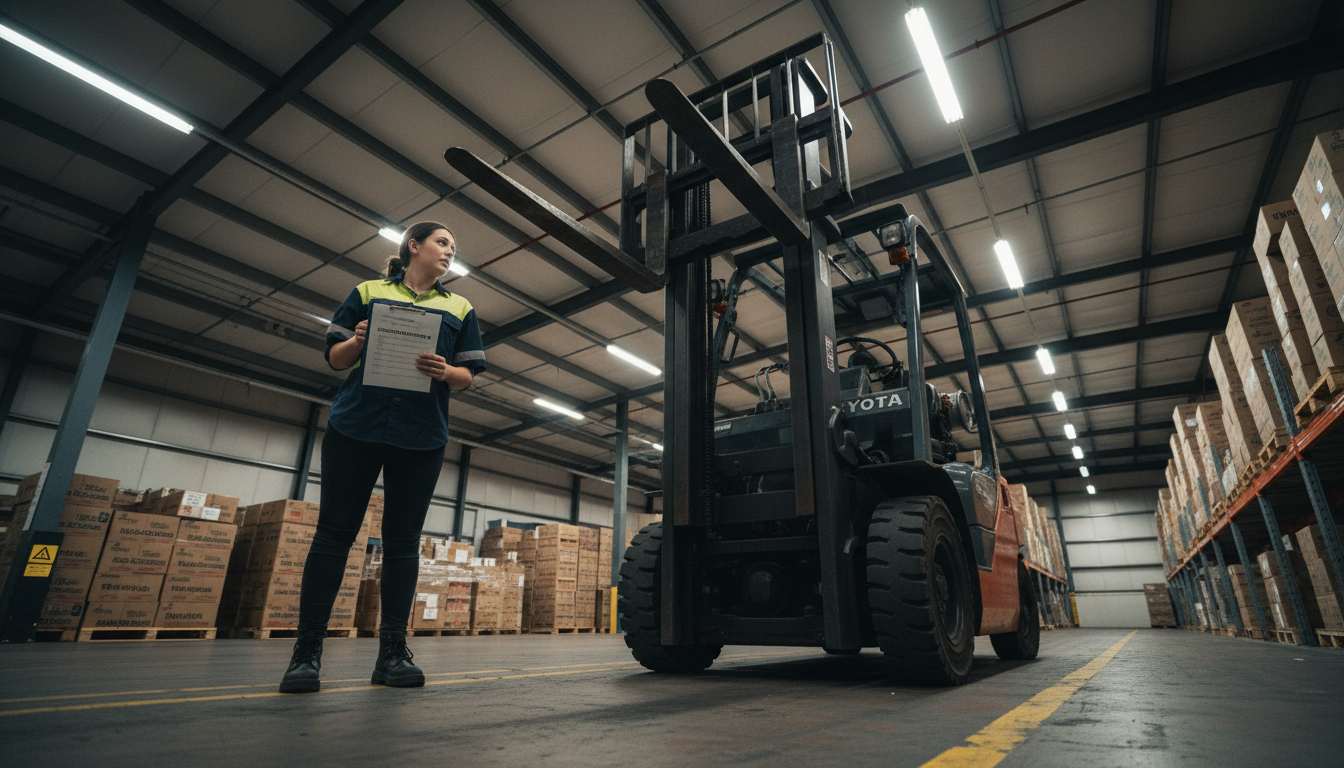
Young workers, eager to prove themselves, internalise pressure and take risks they might otherwise avoid. The gap in supervision compounds the problem. Continual active supervision is essential for young workers, especially when unexpected situations arise that they may not be equipped to handle. But in practice, supervision often lessens after the first few days or weeks.
Vehicle Work: Distance, Fatigue and Judgment Calls
Many young workers take delivery roles and transport jobs because the pay is often decent and you don't necessarily need years of experience and qualifications.
However, these roles require excellent judgment, experience reading road conditions and the confidence to push back on unrealistic delivery schedules, which all come with time and experience.
Long hours behind the wheel, pressure to meet tight delivery times, isolation from supervisors and the unpredictability of traffic and road conditions create a perfect storm for young, inexperienced drivers. When you add in the neurological reality that risk assessment capabilities are still developing, the danger becomes clear.
Vehicle work also has an inherent enforcement challenge. Unlike most jobs, where supervisors can physically observe workers, drivers operate independently, making the culture they absorb during training and the expectations set by schedulers and managers the only real supervision they get.
What's Working: Prevention Campaigns and Training That Reach Young Workers
There are genuine efforts underway to reduce injuries amongst young worker injuries, including:
Queensland's Safety Toolkit and Campaigns
WorkSafe Queensland has developed a comprehensive Young Worker Safety Toolkit specifically designed for employers, educators, parents and the young workers themselves. The toolkit includes films, presentation templates and practical resources.
The campaigns that go into specific hazards rather than generic safety concepts, and actively work to normalise speaking up about concerns, seem to resonate most with young workers. This is because they challenge the cultural expectation that they should just keep their heads down and get on with it in the face of workplace danger.
Also read: A Safety Guide For Young Workers In Trade
The "Tell Me, Show Me, Watch Me" Revolution
WorkSafe Queensland has formally adopted the "Tell Me, Show Me, Watch Me" framework for inducting young workers into new jobs. It entails three distinct steps:
Tell Me: provide a clear, detailed explanation of the task, with a particular focus on critical elements and documented procedures.
Show Me: demonstrate the actual task while the young worker observes. Explain key points as you go and check they understand throughout. Don't assume nodding means comprehension.
Watch Me: observe the young worker performing the task and provide specific constructive feedback to verify that they can actually do it safely.
This approach acknowledges that young workers need to see and do their new role under supervision and receive feedback before they start working alone. This may take more time upfront, but the investment pays off in reduced injuries.
Peer-led training and mentorship programs are also quickly growing in popularity. When young workers learn from slightly older workers who recently navigated the same challenges, the advice tends to stick because the power dynamic is less intimidating and the cultural barriers to asking questions are lessened.
Taking Action: Practical Steps for Different Stakeholders
Understanding the problem is one thing, but knowing what to actually do about it is quite another.
Here's what each group can do to genuinely improve young worker safety.
For Young Workers
You have more power in this situation than you might realise. Queensland law gives you specific rights, and understanding them is crucial.
You have the right to a safe workplace, full stop. You have the right to receive proper training and all the information you require. Most importantly, you have the right to refuse unsafe work without fear of retaliation.
If something feels unsafe, you should always say something, whether that’s to your supervisor or a more experienced co-worker. Your instinct that something's not right is probably correct.
Also read: What Rights Do Workers in the ‘Gig’ Economy Have?
For Parents
When your child enters the workforce, particularly in industries like construction, manufacturing and transport, have the safety conversation with them early.
Watch for signs that something's not right, like persistent physical pain or anxiety about going to work. Support their confidence to raise concerns and make sure they know about workers' compensation and rehabilitation services in case they do get hurt.
Your role isn't to fight their battles, it’s to make sure they know they don't have to accept unsafe work conditions.
For Educators
Workplace safety concepts should be integrated into career exploration programs, along with real case studies that illustrate the risks and how they can be prevented.
When students are connected with industry mentors who model safe work practices or experienced tradies or workers who prioritise safety, it shapes their expectations of what's normal and acceptable.
Advocate for quality apprenticeships and training programs that genuinely prioritise safety alongside skill development, and always push back against young people being rushed into high-risk roles without proper preparation.
Building a Culture Where Young Workers Thrive
The path forward requires a fundamental shift in how young workers and workplace safety are handled in Australia through structured induction, ongoing mentorship and creating a safe space for questions and concerns.
Regulatory bodies like WorkSafe Queensland are providing the tools and frameworks, but these must actually be used. Industry associations, unions, and employer groups all have a role in making these practices standard rather than aspirational.
The 4,400 young workers seriously injured each year in Queensland represent 4,400 opportunities for prevention. Every one of those injuries was avoidable. Not with perfection, but with better training, stronger supervision, cultural change that normalises speaking up and systems designed around the developmental and experiential reality of young workers.
This isn't about wrapping young workers in bubble wrap or treating them as incapable. It's about being honest about where they're starting from and providing the support, training and culture they need to build long, healthy working lives.