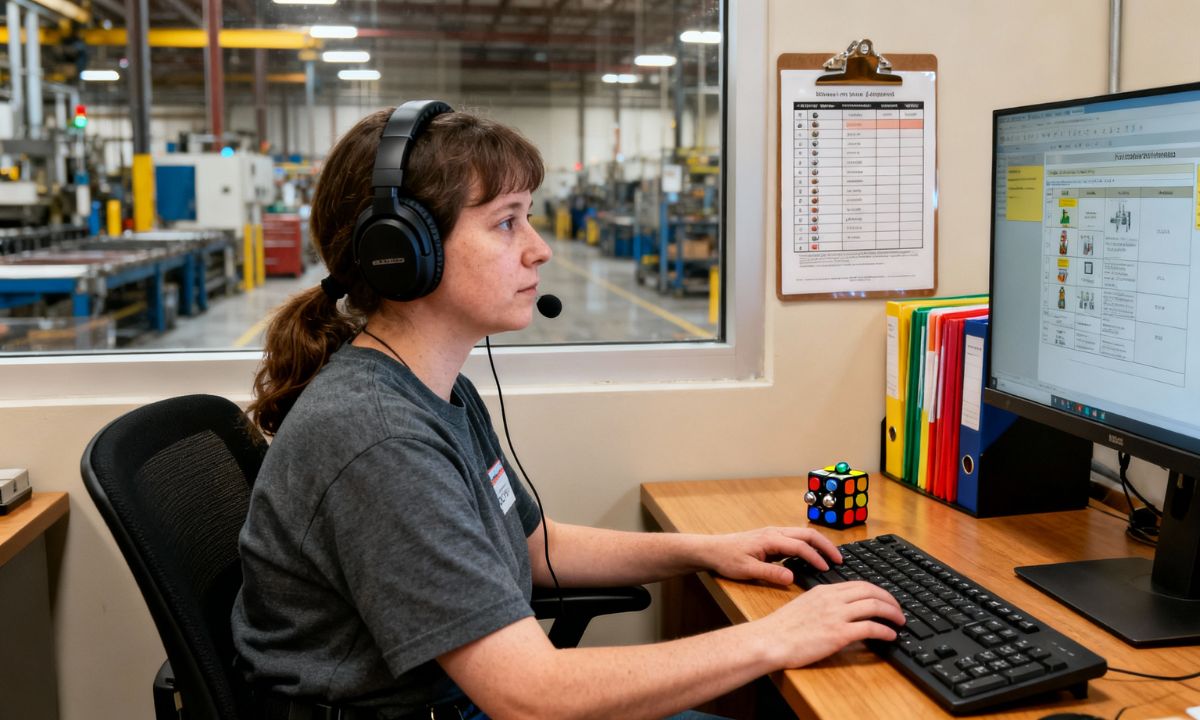
Whether it’s a software developer with autism flagging a security vulnerability, a designer with ADHD noticing a hazard that could cause repetitive strain injuries, or a warehouse worker with dyslexia redesigning the loading dock configuration to reduce collision risk by 40%, neurodivergent workers have a valuable and unique perspective.
Safety managers who overlook this talent pool are missing a critical competitive advantage. Around 1 in 7 people worldwide are neurodivergent, yet these individuals remain significantly underemployed despite possessing cognitive strengths that directly translate to improved workplace safety.
While vast resources are poured into conventional safety training and risk assessment protocols, the pattern recognition, attention to detail and sensory sensitivity that neurodivergent workers bring to hazard identification are often overlooked, to the detriment of everyone.
What We Mean by Neurodivergence
Neurodivergence is when people have neurological variations that affect information processing, communication, attention regulation and sensory perception. The conditions which are most relevant to workplace contexts include Autism Spectrum Disorder (ASD), Attention-Deficit/Hyperactivity Disorder (ADHD), dyslexia and dyscalculia.
But these conditions shouldn’t be seen as deficiencies or weaknesses, they're differences in cognitive processing that create distinct capabilities.
People with autism often showcase exceptional pattern recognition, systematic thinking and intense focus on areas of interest. Those with ADHD exhibit hyperfocus capabilities, rapid visual processing and creative problem-solving, while many dyslexic individuals have exceptional spatial reasoning and visual-spatial processing.
Under the Disability Discrimination Act 1992 (Cth), neurodivergent conditions are treated as disabilities in cases where they substantially affect work-related functions. This creates legal obligations for reasonable workplace adjustments.
But the conversation shouldn't begin with legal compliance, it should start with recognising genuine capability and how best it can be utilised so both employers and employees can mutually benefit.
The Current Employment Reality
Despite making up roughly 14% of the population, neurodivergent individuals face substantial barriers to employment. Research shows that 51% of neurodivergent employees are considering leaving or have already left their jobs because employers don't give them enough support.
What’s even more concerning is that around 70% of neurodivergent employees experience mental health challenges. This is largely due to workplace environments that force them to "mask" their authentic cognitive styles, and fail to accommodate processing differences.
Many neurodivergent individuals prefer not to disclose their conditions in the workplace, fearing discrimination and career limitation. This preference to hide neurodivergence means organisations lose access to unique safety insights that could prevent incidents before they occur.
The Safety Advantage: Cognitive Strengths in Action
Pattern Recognition That Spots What Others Miss
People with autism and certain ADHD presentations process visual and auditory information differently. This means they can quickly detect deviations in established patterns.
In safety-critical contexts, this could be noticing when equipment sounds different than normal, identifying when procedures are being skipped, spotting inconsistencies in safety documentation and recognising environmental changes which indicate potential equipment failure.
When Microsoft began recruiting autistic people for software testing and quality assurance roles around the world, these employees were able to detect code anomalies and software behaviour patterns that neurotypical reviewers consistently missed. These same capabilities, applied to workplace safety, can be used to identify process deviations and equipment malfunctions before they become serious issues.
Hyperfocus and Sustained Attention to Detail
Many neurodivergent people hyperfocus, particularly those with ADHD and autism, which can be used to spot errors others might overlook.
In safety applications, this might manifest as being thorough during inspections and quality control, keeping meticulous records, adhering strictly to safety protocols and quickly identifying inconsistencies in training materials.
Teams with neurodivergent professionals demonstrate up to 30% higher productivity than those without them, an advantage that reflects exceptional focus and attention to detail of neurodivergent people.
When that focus is directed toward safety-critical protocol, the benefits are invaluable.
Non-Linear Thinking for Safety Innovation
It’s common for neurodivergent people to approach problems from unexpected angles, coming up with solutions their neurotypical colleagues might not consider by thinking outside the box.
This can result in innovative workspace layout redesigns which lower the risks of collision, creative solutions to recurring safety challenges and bespoke approaches to safety training, communication and the identification of systemic safety issues.
Sensory Sensitivity as an Early Warning System
Many neurodivergent people, particularly those with autism and ADHD, experience heightened sensory sensitivity (increased responsiveness to sounds, lights, smells, textures and temperature changes).
This has traditionally been viewed as a limitation, but in a more neuro-inclusive world it can instead be seen as an early warning system. Many neurodivergent people are able to detect unusual smells from chemical leaks or equipment fires, notice subtle sound changes indicating equipment malfunction, and spot environmental hazards thanks to heightened visual sensitivity.
Providing accommodations that manage sensory sensitivity, such as noise-cancelling headphones and adjusted lighting, can go a long way towards optimising safety in the workplace by preventing sensory overload.
Learning from Success: Neurodiversity Hiring Programs
Microsoft's Approach
Microsoft established its Autism Hiring Program in 2015, and it has now been expanded to encompass ADHD, dyslexia and many other neurodivergent conditions. The program offers an alternative entry path for neurodivergent people while maintaining identical hiring standards.
The distinguishing feature of this program is support. This involves online technical assessment as initial screening, skills assessment and interview preparation and ongoing training for both employees and managers.
Microsoft's leadership has been clear about their rationale for this approach: companies with programs focusing on inclusion and accessibility report 28% higher revenue and twice the net income. This wasn't charity or pandering, it was strategic talent acquisition.
SAP's Retention Success
SAP began employing autistic individuals globally in 2013, deliberately placing them in roles where their strengths (systematic thinking, thorough documentation, noticing what others miss, etc.) can contribute directly to operational excellence.
The program now includes over 200 employees across 14 countries, with a remarkable 90% retention rate for employees on the autism spectrum (exceeding typical organisational metrics).
What These Programs Reveal
These tech giants didn't create separate programs out of some sense of social responsibility. They recognised that neurodivergent workers can help drastically improve quality control, process adherence and risk identification, which has a positive effect company-wide.
Low-Cost Accommodations That Unlock Potential
Accommodating neurodiverse people is much easier and cheaper than generally assumed, and the benefits far outweigh the costs.
Many effective adjustments are low-cost or free, making them accessible to organisations of any size.
Sensory Environment Adjustments
Noise-cancelling headphones and/or designated quiet spaces are simple accommodations which enable neurodivergent workers to regulate sensory input during safety-critical tasks. Additional modifications include adjustable LED lighting systems, temperature control options and fragrance-free environments for those with olfactory sensitivities.
Designating a single quiet office, or quiet areas within open spaces, is an easy way of providing periodic breaks from environmental stimulation without major infrastructure changes..
Flexible Scheduling
Flexible workdays and hours that maximise peak performance periods allow neurodivergent workers to work during times when focus and alertness are highest, directly impacting safety outcomes.
Remote or hybrid arrangements have proven particularly effective for neurodivergent employees, many of whom are more productive outside traditional office environments.
Structured Work Processes
Breaking complex tasks down into small steps, providing clear guidelines and offering backup plans for unscheduled changes all help reduce anxiety and improve consistency for neurodivergent people.
The Safety Culture Bonus
Implementing these accommodations for neurodivergent employees often improves safety culture throughout an organisation, benefitting everyone. Clearer documentation and well-structured processes reduce errors across the board, while inclusive practices foster psychological safety.
When organisations create environments where neurodivergent workers feel safe disclosing their needs, all workers feel safe in raising safety concerns and reporting near misses without fear of blame.
Also read: The Digital Accessibility Revolution: How Technology is Empowering Australians with Disabilities
The Disclosure Dilemma
Despite the advances in workplace neuro-inclusivity over the past few years, there are still legitimate fears for neurodivergent employees. Workplace discrimination, misunderstandings and being sidelined or placed in limited roles are all real worries, with historical stigma and ongoing bias in hiring and promotion creating genuine barriers.
Undisclosed neurodivergence means missed accommodations, potential burnout and losing out on the unique safety insights these workers could contribute.
Creating Psychological Safety for Disclosure
It’s vital for organisations to implement clear anti-discrimination policies, visible neurodiversity champions, training for managers and genuine accommodations for neurodivergent employees.
Workers who feel safe disclosing their needs will perform better and contribute to safety culture.
Safety managers and HR professionals are key to making this shift in culture happen as their actions either invite or discourage disclosure. When they show genuine understanding, provide accommodations without bureaucratic barriers and celebrate neurodivergent contributions, they create environments in which disclosure becomes possible.
Challenging One-Size-Fits-All Safety Training
Traditional safety training often relies on participants rapidly taking on a lot of information, caters to neurotypical learning styles and lacks written reference documentation.

These approaches generally fail to take neurodivergent workers into account and reduce training effectiveness for everyone else.
Neurodiversity-Informed Training Approaches
Effective alternatives include providing written materials in advance, offering multiple formats (video, written, interactive, visual diagrams), breaking training into smaller modules, allowing time for questions and clarification, creating structured and predictable training environments, and providing follow-up resources and documentation.
These adjustments improve safety training effectiveness for everyone, not just neurodivergent workers. Better documentation, clearer communication and flexible pacing benefit the entire workforce and create a stronger safety culture.
Also read: Automation and Worker Safety: The Double-Edged Sword Transforming Australian Industries
Building a Neurodiversity-Inclusive Safety Culture
Practical Implementation Steps
Audit your current practices. Review hiring processes, training approaches, accommodation policies and safety reporting systems from the perspective of a neurodivergent person. Where might neurodivergent workers be excluded or disadvantaged?
Educate leadership and managers. Provide training on neurodiversity, challenge stereotypes and explain the business benefits for inclusion, including direct safety benefits.
Measure and celebrate. Track safety outcomes, retention rates and contributions from neurodivergent team members. These metrics demonstrate business value and identify areas for improvement.
From Accommodation to Advantage
The conversation around neurodivergent people in the workplace needs to be reframed. It isn't about "accommodating neurodivergent workers" as a compliance exercise or charitable initiative, it's about recognising that cognitive diversity strengthens safety culture in measurable, concrete ways.
Safety vulnerabilities which neurodivergent workers identify after others miss them aren't accidents or lucky catches, they're evidence of capabilities that are too often overlooked.
For HR professionals, safety managers and employers willing to challenge long-held assumptions about how talent presents and how safety culture develops, neurodivergent workers represent precisely what successful organisations need: a hidden talent pool bringing unique perspectives, measurable safety improvements and competitive advantages your competitors have thus far failed to recognise.
The question isn't whether you can afford to create neurodiversity-inclusive safety cultures. It's whether you can afford not to.