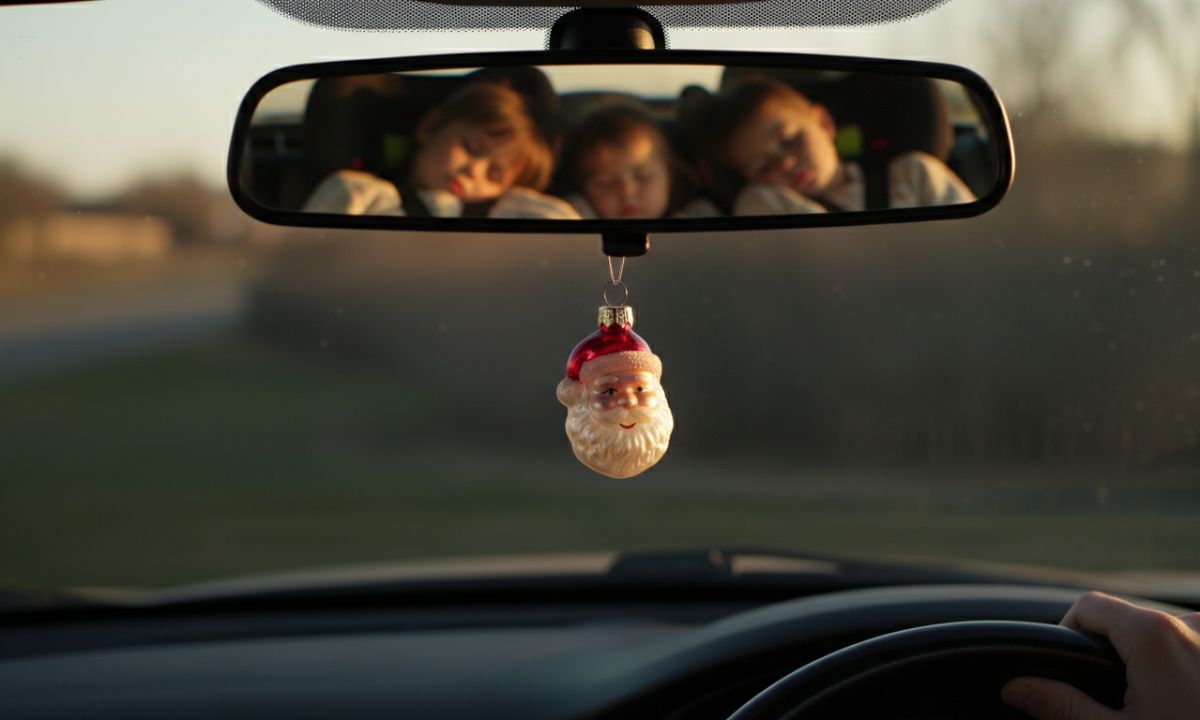
The Christmas holidays should be the safest time on our roads. Yet, there’s something strange that happens each year around this time.
Let’s take the 2024/25 Christmas and New Year period. New South Wales recorded 10 road deaths over just 13 days. Within the same period, NSW Police attended 1,009 major crashes. That's approximately 78 major crashes every single day. Across the whole nation, the road toll continued its troubling climb, with police issuing close to ten thousand speeding infringements and finding 1,725 motorists driving under the influence of drugs during this supposedly ‘careful’ festive period.
Despite the best efforts by authorities, double demerit periods, heightened enforcement, and widespread safety campaigns, the Christmas period sees a consistent spike in serious crashes. The paradox deepens when you look at police interventions like Queensland's Operation Mistletoe, which deploy hundreds of additional officers to prevent these crashes. Drivers know they're being watched. Yet the risky behaviour continues.
So, we have to ask ourselves: what is happening to turn even the most cautious drivers into the statistics we see here?
The Hidden Psychology of Holiday Driving
You’ll be glad to know that the answer lies in our own heads.
Decision fatigue often hits before we even start the car. Holiday planning, shopping, travel, social commitments, and family expectations drain our mental energy. Driving then becomes harder because it relies on quick, constant decisions. When we are mentally tired, our ability to judge situations in real time drops.

There is also the illusion of safety. Short trips feel harmless, and familiar routes make us switch to autopilot. We assume nothing has changed and fail to notice heavier traffic, unfamiliar hire cars, or people driving erratically, trying to get to relatives’ homes before everyone tucks in for lunch.
Lower speeds add to this false confidence. We think 80 is safe, but speed is only one factor. A tired driver doing 80 on a busy regional road, distracted by children, faces risks similar to someone going much faster on an empty highway.
Social and emotional pressures add another layer. After all, no one wants to make themselves or others late for a game of charades. In this way, the holiday atmosphere normalises risk-taking. Everyone's in a good mood, we're on holiday, so surely nothing bad will happen.
The 438,328 breath tests conducted in NSW during the Christmas period produced 720 drink-driving charges in all. What’s obvious from this is that drivers are prioritising having fun over being safety-conscious.
When Infrastructure Meets Volume
Let’s be frank: Queensland's road network wasn't designed for Christmas.
The state's regional roads comprise the vast majority of the road network in Queensland, serving a geographically dispersed population year-round. Then, suddenly, Christmas comes around, and these roads are expected to handle volumes of tourists that they weren’t built for.
Popular coastal routes become crowded with a mix of vehicles: local traffic, rental campervans, and heavily loaded family cars towing boats or caravans. Each behaves differently on the road, increasing the chances of misjudgement and, possibly, an accident.
Summer weather adds pressure: Heat affects both vehicles and drivers, sun glare reduces visibility, and long, straight rural sections can lull drivers into a daze just as traffic slows ahead.
Resting becomes more difficult: These areas often overflow, discouraging breaks on routes like the Bruce Highway, where towns are so far apart. Regional communities then absorb the impact. Emergency services face multiple incidents at once, stretching response times and hospital capacity.
Also read: Deadly Paradox: 55% of Queensland Road Deaths Occur on Country Roads
The Behaviour Gap
Understanding the psychology and infrastructure challenges is one thing. Observing what actually takes place is another.
Speeding remains the dominant issue. Despite double demerit penalties being in effect, NSW Police issued 9,719 speed infringements between 20th December 2024 to 1st January 2025. That's roughly 748 speeding offences every single day.
Time pressure plays a significant role. Families try to fit multiple destinations into the limited period of time they have. Drivers attempt to ‘make up for lost time’ due to traffic or late starts. Frustration with tourist traffic leads to risky overtaking.
Impairment takes multiple forms. The drug and alcohol detection numbers are concerning, but fatigue is arguably more dangerous. This is simply because it's harder to recognise it in yourself.
Holiday driving often involves:
- Late-night departures after a full day of work
- Early morning starts after insufficient sleep
- Driving during hours when you'd normally be resting
- Tiredness that can creep in after a few days of travel
- Ignoring the effects of medication (travel sickness tablets, antihistamines)
Research shows fatigue impairs driving ability as significantly as alcohol. Sadly, it’s often not recognised in time.
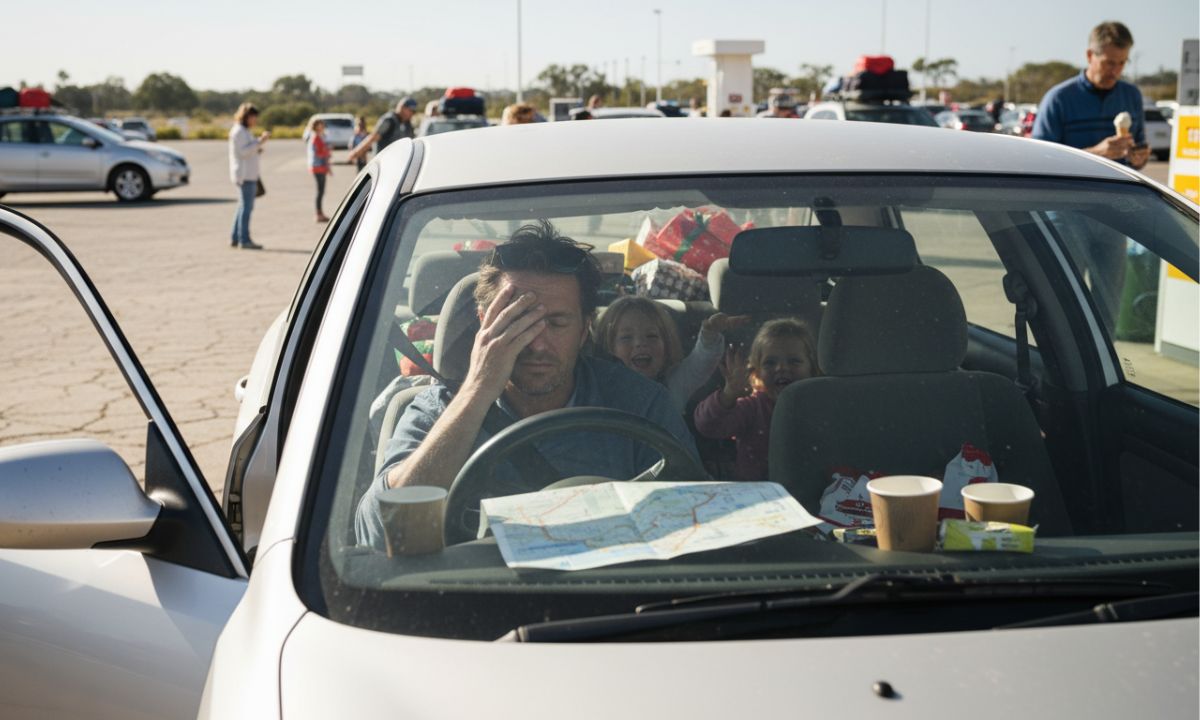
Distraction intensifies during holiday travel. Children get fidgety, conversations get animated, and drivers try to manage unfamiliar roads, entertainment and the general juggling of tasks that comes with a trip. Not to mention the increased urge to check your phone as plans change, a major contributor to distracted driving.
Vehicle-specific issues add up during the Christmas period. Families towing caravans for the first time discover their vehicles handle differently. Rental vehicles have unfamiliar controls. Pre-journey vehicle checks get skipped in the rush to get a head start.
Breaking the Paradox: What Actually Works
Understanding why the Christmas period is risky can be helpful, but what families really need are practical strategies.
Before You Leave
Check your vehicle thoroughly. The Australian Automobile Association recommends checking tyres (tread depth and pressure), brakes, lights, fluids, wipers, battery, and air conditioning before any long trip.
Plan routes realistically. Use your mapping apps to look for quieter routes, spot rest areas ahead of time, and check for any accident hotspots. It also helps to print or screenshot the key parts of your route so you are not fiddling with the navigation while you are driving. Consider adding 20-30% more than the travel time the GPS recommends to account for stops and the unexpected.
Schedule with safety in mind. Avoid departing either late at night or early morning. Plan to arrive during daylight when possible. For longer journeys, schedule multiple days rather than attempting marathon drives.
Have the conversation. Before setting off, make sure everyone’s on the same wavelength: agree on noise levels, music, toilet breaks, and anything else that helps the trip run smoothly.
On the Road
Take mandatory breaks every two hours. Sorry, this one’s non-negotiable. Research consistently shows that concentration deteriorates significantly after two hours of continuous driving.
Breaks should include getting out of the vehicle, light physical activity like walking or stretching, consuming water or light snacks; basically anything that gets you away from the wheel.
If severe fatigue occurs, pull over immediately. A 20-30 minute power nap significantly improves alertness. If you can, stopping overnight rather than pushing through can make all the difference.
Recognise your fatigue warning signs. Difficulty focusing, yawning, drifting between lanes, missing road signs, trouble remembering the last few kilometres, irritability, or slower reactions all indicate you need to stop immediately.
Manage distractions ruthlessly. The driver’s phone goes in the boot, not just on silent. Passengers keep their phone use to a minimum while the car is moving. Sort out any entertainment before you set off, rather than trying to manage it on the road. For younger children, think about having some backup activities to keep them occupied.
Adjust your speed to the conditions, not just the limit. Holiday traffic, unfamiliar roads, heavy loads and bad weather all call for slowing down. On regional roads, sitting a little under the limit is vital. Keep a safe gap in traffic, give yourself extra space in the wet, and remember that towing or carrying a lot of weight means you will need more room to stop.
For Tourism Operators
Tourism operators face unique pressures during the peak Christmas period.
Commercially, this is when it’s make or break for many businesses. The pressure to maximise trips, accommodate more bookings, and deliver exceptional experiences often competes directly with safety considerations. Here are some things that should be taken into account:
Set clear fatigue rules. Take 15-minute breaks every two hours and a longer break after four hours. Avoid long routes with only one driver by planning driver rotation and keeping track of hours. Make sure staff are trained to share the workload and avoid booking anyone on multiple long trips without proper recovery time.
Conduct comprehensive vehicle checks. Beyond standard servicing, implement daily pre-trip inspections, as if it were a personal trip. Keep clear records of all maintenance and repairs, sort any safety issues straight away, and use GPS or telematics to monitor speed, track routes and get useful feedback on driver behaviour.
Provide proper passenger briefings. Cover seatbelts, emergency exits and basic behaviour expectations, then keep the rest simple: when phones can be used, how much moving around is acceptable, and what counts as reasonable noise or eating. Make the rules clear and stick to them.
Train staff specifically for peak-season challenges. Provide driving training that covers hazard recognition and emergency manoeuvres, along with refresher training to recognise the early signs of fatigue. Include passenger-management skills such as de-escalation and conflict resolution, and make sure drivers feel able to speak up about any concerns.
The Community Response
Local communities and advocacy groups can make a big difference:
Infrastructure improvements are one way. Adequate signage warning of hazards, proper lighting at intersections, well-maintained rest areas with facilities, and clear road markings all reduce the risk of accidents during peak periods. Community groups can play a role here by advocating with councils and transport departments for changes to be implemented.
Pre-holiday safety campaigns work best when they come from trusted community voices, not just government authorities. Local community organisations, tourism associations, and business groups can reinforce safety messages in ways that resonate.
Support for emergency services during peak periods can help communities manage the increased load. This might include volunteer coordination, providing additional resources, or simply acknowledging the strain these services face during the holidays.
Why Individual Responsibility Isn't Enough
Every strategy listed above matters. Drivers who implement these practices genuinely reduce their crash risk. But we can’t fix the paradox through individual behaviour change alone.
Queensland's 8.6% increase in road deaths reflects the need for systemic changes. Roads designed for regular traffic volumes can't safely accommodate peak-season demand without further investment in infrastructure. Double demerit penalties don't prevent crashes when the underlying causes are fatigue, distraction, and cognitive overload rather than deliberate risk-taking.
Australia's National Road Safety Strategy 2021-2030 aims to reduce annual fatalities by at least 50%, with a long-term vision of zero deaths by 2050. These targets require Safe System approaches: road design modifications, speed management infrastructure, enhanced rest area provision, and the integration of new technologies.
Communities need roads built for peak season. Employers need to make sure staff aren’t already tired before they set off on holiday trips, and policymakers need to look at whether focusing on enforcement really tackles the underlying causes of holiday crashes.
Making This Christmas Different
The holiday road paradox isn’t inevitable. Once we recognise that slower speeds don’t guarantee safety, that holiday stress drains our decision-making, and that familiar routes can make us switch off, we can start to change how we travel.
For families, that means being honest about priorities. Arriving half an hour later because you took proper breaks is far better than pushing on when you’re tired. Realistic plans that match real conditions are always safer than optimistic schedules that create pressure.
For communities, it means continuing to push for the infrastructure and support needed to keep people safe when the roads are at their busiest.
Queensland’s road safety strategies are there to remind us that every journey matters. This holiday season, the safest route isn’t the quickest one. It’s the one where safety is the priority from the moment you leave the driveway.