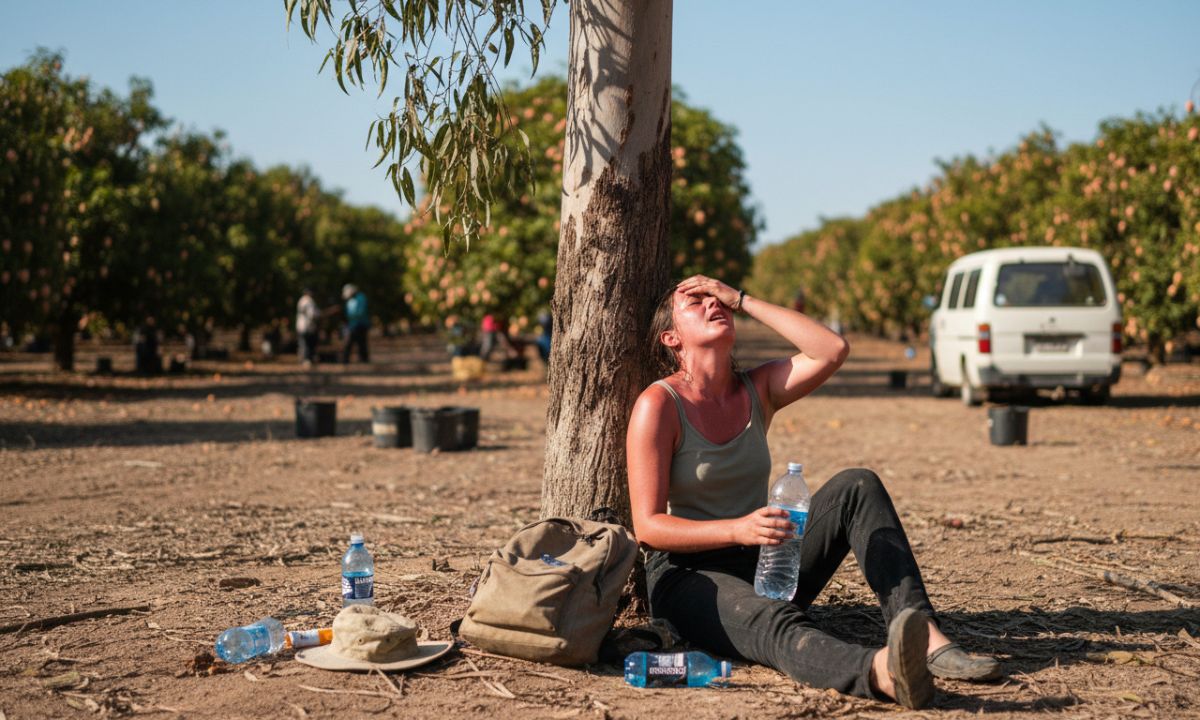
You arrive in Queensland ready for adventure, sun, and your first harvest job. The recruiter made it sound straightforward: pick fruit, earn money, explore Australia. What they didn't mention was that working all day in 38-degree heat can actually be a risk to your life.
Heat stroke is fatal in up to 80% of cases, depending largely on the age of the person affected, or whether it is treated or not. While it sounds scary, it should serve as a stark reminder of just how serious this issue can be and encourage those in seasonal work to speak up before things become risky.
This guide will discuss your legal rights to heat safety at work, including access to shade, drinking water, rest breaks and the right to refuse unsafe work. Let’s get started.
The Heat Reality Check: What You're Actually Up Against
Australian heat hits differently than you might expect. Summer in Queensland means high temperatures, direct sun exposure, reflected heat from equipment and vehicles, as well as high humidity. Physical labour also generates additional body heat. In fact, body temperature can rise 1 to 2 degrees under such conditions.
Heat stress occurs when your body absorbs more heat than it can dissipate through normal channels, such as sweating and increased blood flow to the skin. If harvesting food, this risk amplifies because you're often working in open fields with minimal shelter, doing repetitive physical tasks, sometimes for extended periods, with limited access to air conditioning or electric fans.
Heat exhaustion is your body's warning system. You'll experience dehydration, reduced concentration, nausea, dizziness, weakness, or feeling lightheaded. These symptoms can escalate rapidly in outdoor environments.
Heat stroke is the emergency stage. Your body's cooling system has failed. You might stop sweating despite being hot, become confused, or lose consciousness. This is a medical emergency requiring immediate intervention.
Why Backpackers Face a Greater Risk
If you've just arrived in Queensland from a cooler climate, your body hasn't adapted to working in extreme heat. Acclimatisation depends on several factors, including background, fitness, age, the medications you take, fatigue, and general health. This adaptation period typically takes 7-14 days, but harvest schedules don't always account for that.
It is not just about how the body copes with heat, though. Temporary workers often feel pressure to keep up with more experienced workers. There can be a worry that speaking up or asking for a break might affect future work. If English is not your first language, or if you are not used to how workplaces operate in Australia, it can be even harder to say something when conditions feel unsafe.
Add to this the fact that you may not know what proper safety conditions are meant to look like in Australia. If everyone around you is working through extreme heat without saying anything, it is easy to assume that this is normal and that you are expected to do the same.
Thankfully, it's not. And you don't have to accept it.
Your Legal Rights: What Employers Must Provide
In Queensland, employers have an obligation to protect workers from heat-related illness under work health and safety laws.
Shade and Rest Areas You Can Actually Use
Your employer must provide adequate shelter from direct sunlight. This means that rest areas are positioned as close to the work area as possible. Think air-conditioned cabins.
For temporary or remote work locations, portable shaded areas should be set up as refuge areas, with cool air flow being essential.
You have the right to use these areas without being penalised. Taking a break to cool down is not slacking off.
Water Access That's Actually Accessible
Employers must position potable water and ice machines within easy access for workers. ‘Easy access’ means you shouldn't have to leave the work area or ask permission to get water.
The water must be:
- Cold or cool (ice machines or refrigerated supplies)
- Readily available at or near your work area
- Free and unlimited
- Safe to drink
The recommended approach is to drink small amounts of water regularly, about every 15 to 20 minutes, rather than large amounts all at once.
Regular Breaks in Cool Conditions
When work temperatures exceed 26°C, employers should take action to control the effects of heat stress. Rest breaks are essential and their timing should reflect the local conditions.
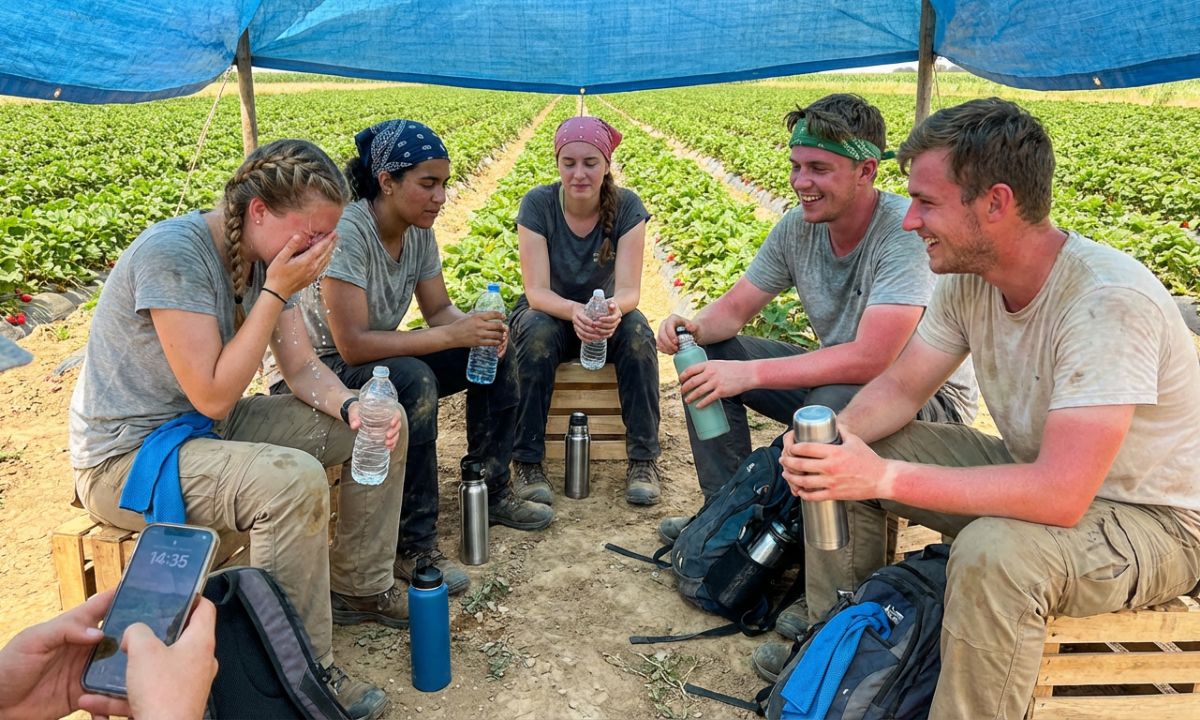
These breaks are part of your employer's legal obligation to manage heat stress, which means they're paid time. Refusing to work in unsafe conditions doesn't mean lost pay.
During extreme heat, employers should also reschedule more intense work to cooler times of the day or implement more flexible rotas.
The Right to Refuse Unsafe Work
Under Australian WHS (Work Health & Safety) law, you can refuse work if you reasonably believe it poses an immediate and serious risk to your health and safety. For heat-related work, this includes situations where:
- Adequate shade isn't available
- Water and hydration facilities aren't accessible
- Rest breaks are being denied or discouraged
- Heat conditions create a genuine risk of heat stroke
- You've reported concerns, and they haven't been addressed
Employers cannot legally retaliate against you for raising safety concerns or refusing unsafe work. This would include things such as dismissal, reduced hours, negative performance reviews, or any adverse action related to your safety concern.
If your concerns aren't addressed, document everything: the date, time, specific conditions, what you reported, who you reported it to, and any response (or lack of response). Contact WorkSafe Queensland or the Fair Work Ombudsman if problems persist.
Also read: WorkCover for Agriculture Workers in Queensland: Your Rights After a Workplace Injury
Heat Stress First Aid: What to Do When Someone's Struggling
Knowing how to respond to heat illness can save someone’s life. Symptoms can progress rapidly, so early intervention is key.
Recognising and Responding to Heat Exhaustion
Watch for these symptoms in yourself and others:
- Dehydration and excessive thirst
- Difficulty concentrating or focusing
- Nausea or vomiting
- Dizziness or weakness
- Clumsiness or feeling lightheaded
- Reduced coordination
Immediate response:
- Move the person into shade or a cool area with moving air
- Have them lie down with their legs elevated
- Apply cool water to their skin using spray bottles, damp towels, or immersion if available
- Provide cool water to drink in small, frequent amounts
- Monitor for improvement over 15-20 minutes
If symptoms don't improve within 15-20 minutes, or if the person develops confusion, loses consciousness, or stops sweating despite being hot, call 000 immediately.
Recognising Heat Stroke: The Emergency Stage
Critical symptoms requiring immediate emergency response:
- Confusion or altered mental state
- Loss of consciousness or unresponsiveness
- The body stops sweating despite being hot
- Skin is hot to the touch with very high body temperature
- Rapid, strong pulse
- Seizures or convulsions
Heat stroke means the body's cooling system has failed. This is a medical emergency and you should call 000 immediately.
While waiting for emergency services:
- Cool aggressively by applying ice or cold water continuously to the person's skin, focusing on the neck, armpits, groin, and wrists (major blood vessel areas)
- Remove unnecessary clothing to allow cooling
- Place in the recovery position (on their side) if unconscious
- Continue cooling until emergency services arrive, don't stop
Prevention Is the Best First Aid
The most effective first aid is preventing heat illness in the first place.
Hydration strategies:
- Drink water regularly before you begin to feel thirsty
- Take small amounts (200ml) every 15-20 minutes rather than large quantities infrequently
- Add crushed ice to drinks
- Monitor your urine colour; pale yellow indicates adequate hydration
- Limit caffeine, energy drinks, and alcohol, which can have diuretic effects (cause you to urinate)
Recognising your limits:
- Watch for early warning signs such as dizziness, nausea and trouble concentrating
- Let your supervisor or work buddy know if you start feeling the effects of heat
- Take regular breaks before you feel overwhelmed
Resting early is more effective than dealing with a heat emergency later
Use the buddy system: Buddy systems and task rotation provide peer monitoring for early signs of heat stress, accountability for taking regular breaks, support in communicating concerns, and rapid response if someone develops heat illness.
Acclimatisation for new arrivals: If you've just arrived, start with lighter duties or shorter shifts during your first few days. Workers must be acclimatised before being exposed to high heat stress. Gradually increase work intensity as your body adapts. This typically takes 7-14 days, depending on individual factors.
What's Changing: Increased Regulatory Focus
Queensland regulators are paying closer attention to heat safety compliance. Resources Safety & Health Queensland releases updated information on heat exposure each year as summer approaches, and rules are being enforced more strictly than ever.
Employers with safety obligations should:
- Review how prepared they are
- Discuss with the staff the measures in place
- Review existing measures
- Ensure that emergency procedures are in place
These are all things that inspectors look out for.
Also read: Farming in Focus: Cultivating Safety in Queensland's Agricultural Industry
Your Heat Safety Checklist
Before your shift:
- Check the forecast
- Ensure you're well-hydrated
- Wear light-colored, loose-fitting clothing and a wide-brimmed hat
- Apply sunscreen to exposed skin
- Get adequate sleep the night before
During your shift:
- Drink 200ml of water every 15-20 minutes
- Take regular breaks in shaded or air-conditioned areas
- Monitor yourself and coworkers for early warning signs
- Speak up if you’re struggling
- Slow your pace during the hottest part of the day
When to escalate concerns:
- Adequate shade or water isn't available
- You're denied rest breaks or discouraged from taking them
- You or a coworker shows signs of heat exhaustion or stroke
- Your concerns have been raised but not addressed
Essential contacts:
- Emergency services: 000
- WorkSafe Queensland: 1300 362 128
- Fair Work Ombudsman: 13 13 94
Making Heat Safety Part of Your Backpacking Experience
You came to Australia to work, earn money, and explore the country. None of that happens if you're in a hospital with heat stroke or flying home early because you pushed through warning signs until your body gave out.
Understanding your rights and recognising heat hazards is for your protection. Never see it as ‘being difficult’ or ‘demanding’. And it’s not just you who benefits. Farms that take heat safety seriously have better staff retention and are more productive.
If you're feeling pressure to work through dangerous heat conditions, remember that speaking up can protect both you and those around you. Or, you can see it as improving conditions for the next group of backpackers who'll work in that same place.
Australian heat is unforgiving, but it's manageable when employers meet their obligations, and workers understand their rights. Stay hydrated, take your breaks, watch out for your mates, and don't hesitate to speak up when conditions aren't safe.
Your harvest season should be memorable for the right reasons, not because you ended up in an emergency department.