Queensland recorded the highest number of workplace fatalities of any Australian state in 2024, providing a timely and sobering reminder that going to work involves accepting risks most of us never consider for workers across regional and remote areas.
From the Bowen Basin coal fields to the cattle stations of the Channel Country, Queensland's economy relies on industries where workers have to operate heavy machinery in isolation, handle unpredictable livestock far from medical help and navigate thousands of kilometres of remote highways under crushing time pressure.
The fine line between economic necessity and personal safety isn't an abstract idea here, it's a daily reality for workers and employers in communities where job opportunities are limited and the nearest hospital might be a two-hour drive away.
The Remote Factor
Distance isn't just an inconvenience for workers in regional Queensland, it fundamentally changes the stakes.
When a vehicle rolls on a remote mining haul road, the crucial first hour after an injury occurs often passes before help can arrive. Remote medical support via satellite phone can provide guidance, but serious trauma requires evacuation to a fully-equipped hospital.
Delays due to adverse weather conditions, poor roads and the sheer distance from emergency facilities turn injuries that would be survivable in Brisbane into a life-threatening crisis in a rural setting.
This isolation creates issues unique to remote work. Workers know that reporting an injury might mean losing income while they recover or being seen as unreliable. Many small regional employers lack dedicated safety officers and face higher costs for replacement workers, creating unspoken pressure to work through pain or overlook hazards.
Australia recorded 188 workplace fatalities in 2024, with a disproportionate share of these occurring in regional Queensland, largely because of the large number of high-risk industries that are also far from safety infrastructure.
Queensland's Nine Deadliest Occupations
1. Agriculture
With Australia's highest workplace fatality rate, at 13.7 deaths per 100,000 workers, the agriculture industry doesn't generate big headlines like mining disasters, but it certainly claims more lives. Forty-four workers in agriculture, forestry and fishing sadly lost their lives across Australia in 2024.
Tractors easily roll over on uneven ground, workers get entangled in harvesting machinery and exposure to chemical exposure from pesticides often goes unmonitored.
The seasonal pressure of harvest windows means workers have to run dangerous machinery for long hours while fatigue builds and maintenance is delayed. On many farms and cattle stations in Queensland, workers are often sole operators and don’t have backup for if something goes wrong.
2. Transport and Logistics
Long-haul drivers in Queensland face a deadly combination of fatigue and isolation when moving freight along the state’s highways. Transport, postal and warehousing recorded 54 deaths nationally in 2024, with vehicle incidents standing out as the leading cause of workplace deaths.
For drivers hauling loads through Central Queensland or along remote inland routes, tight delivery schedules, poor road conditions and limited rest facilities culminate to create a constant risk.
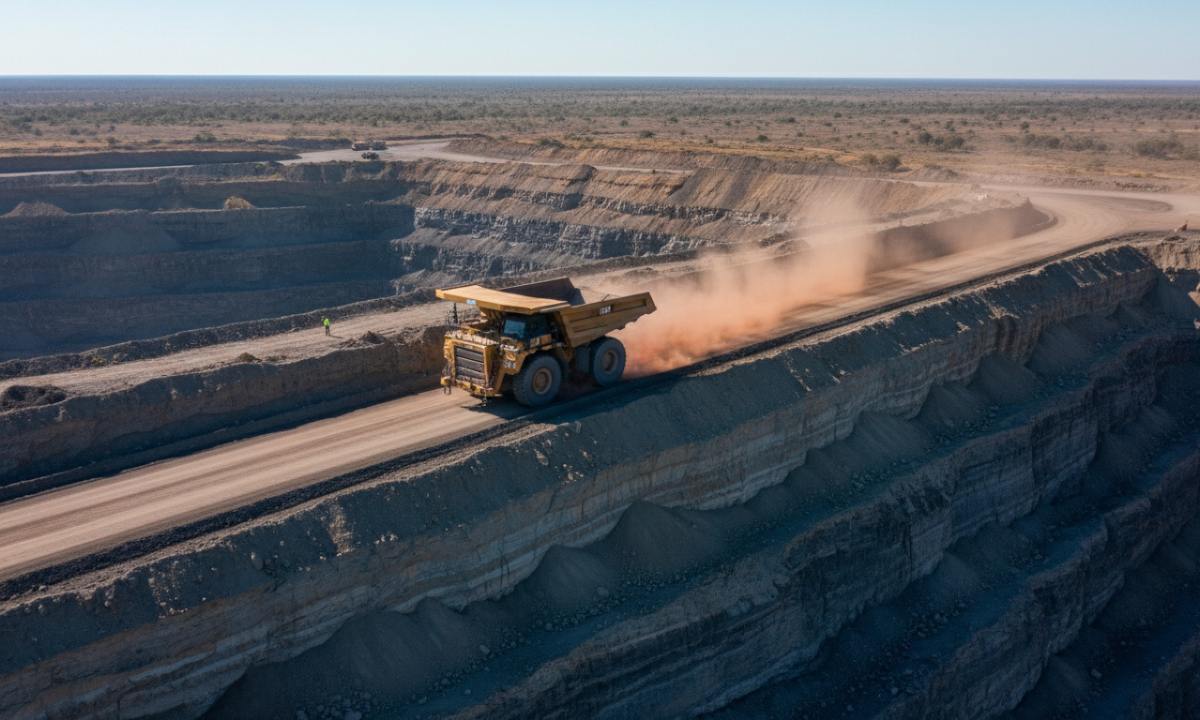
Mining haul truck operators face similar pressures while working in confined pit environments, where multi-tonne vehicles must navigate tight spaces on FIFO rosters that often cause fatigue.
3. Construction
Falls from height, electrocution and being struck by moving objects are just a few of the tragic ways Australian workers die in the construction industry.
While construction projects in Brisbane's CBD are subject to stringent safety scrutiny, regional work often operates under vastly different conditions. Smaller teams, limited safety resources and pressure to complete projects during weather windows all increase risk.
The baking Queensland heat adds another layer of complexity, with workers on exposed roofs and scaffolding facing heat stress in addition to fall hazards.
Read our article on The Most Dangerous Roles in Construction
4. Mining
Despite an array of significant safety improvements being implemented over the past two decades, there were still 10 mining deaths recorded in Australia in 2024. Coal operations and other resource projects involve heavy machinery, ground instability and explosive handling in remote locations, creating the perfect storm of compromised workplace safety.
Vehicle collisions in underground mines and open-cut pits are a persistent hazard, while workers operating haul trucks, excavators and loaders in confined spaces face visibility challenges and fatigue from brutal FIFO rosters that push them to their limit.
5. Forestry
Forestry workers (grouped with agriculture in fatality statistics) operate in some of Queensland's most isolated locations. Native forest operations and pine plantations require workers to make split-second decisions about tree felling in unpredictable conditions, often while working alone or in small teams hours from proper medical support.
Equipment maintenance is also critical because mechanical failure in a remote location can trap and injure workers.
6. Emergency Services
The injury profile for police, firefighters and paramedics extends far beyond workplace fatalities, with violent confrontations, vehicle accidents during roadside responses and exposure to infectious diseases all creating serious risk for these workers.
The psychological toll of repeated exposure to trauma can develop into PTSD, anxiety and depression that WorkCover Queensland increasingly recognises as compensable injuries.
Rural and regional emergency service workers must tackle these issues with fewer resources and longer response times for assistance.
7. Fishing and Maritime
Commercial fishing in Queensland waters is particularly dangerous because of the drowning risk and hazards caused by heavy machinery, extreme weather and profound isolation.
Trawling operations require the use of winches and nets that can entangle workers far from medical help, while fatigue from long voyages impairs judgment, which can be deadly when crews are already operating in dangerous conditions.
8. Utilities
Electricity distribution and gas infrastructure maintenance work come with an array of serious risks, including electrocution and explosions.
Workers who maintain the power lines across regional Queensland usually work in isolated locations while doing things like climbing poles and towers in extreme weather, while aging infrastructure increases maintenance demands and compounds safety issues.
9. Livestock Handling
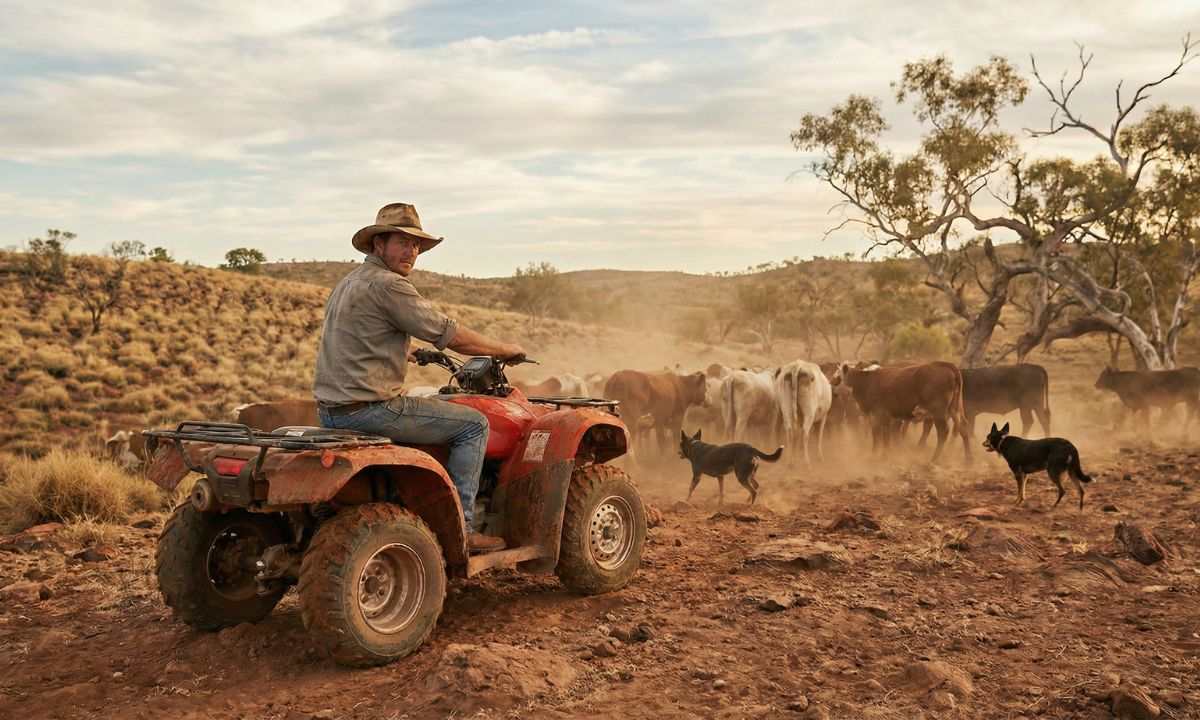
Beyond general agriculture, specialised livestock work on cattle stations comes with several unique risks: bulls charge, horses kick and startled cattle can crush workers in yards and loading facilities.
This combination of unpredictable animal behaviour, manual handling demands and extreme isolation means injuries that seem manageable can quickly deteriorate before help arrives.
What's Really Driving the Danger?
This doesn't tell the whole story, as there are systemic factors which multiply risk across Queensland's regional industries.
Economic pressure shapes every decision. Small employers operating on tight margins face genuine constraints on safety investment. When replacing a worker in a remote location costs significantly more than in Brisbane, the incentive to "make do" with existing crew creates pressure that workers feel acutely.
Geographic isolation amplifies every hazard. An injury that would warrant a precautionary emergency department visit in an urban setting can become a major incident which requires helicopter evacuation in a rural area. Adverse weather conditions that would simply delay an ambulance in the city can make roads impassable for hours.
Cultural factors run deep. Regional Queensland communities value self-reliance and resilience. These are admirable qualities, but they can quickly become dangerous if they mean workers continuing through injury or dismissing hazards as "part of the job." Younger workers absorb these attitudes from experienced colleagues, and under-reporting of injuries masks the true incident rate and prevents systemic improvements.
Workforce dynamics matter. Agriculture and forestry workers with more experience have a lot of wisdom about workplace safety, but also physical wear on their bodies, while younger construction and transport workers often lack hazard recognition skills and safety culture. Both extremes create vulnerability.
What Actually Works
When you look at what safety managers in Queensland's best-performing operations are doing, a clear pattern emerges. Getting workers home safely isn't necessarily about spending the most money, it’s about doing things with workplace safety as paramount.
Digitised safety, human-centred
- Mobile, offline-capable platforms let remote workers log hazards and near-misses.
- Data from checklists and reports reveals risk patterns early, without replacing worker input.
Near-miss reporting as an advantage
- Peer-led, competitive programs reward the identification of near-misses.
- Results include higher reporting and fewer serious incidents.
Workers lead safety solutions
- Safety committees have real decision-making power.
- Rotating workers through these committees builds engagement and uses local knowledge.
Strategic use of technology
- GPS, equipment monitoring and telemedicine extend safety into remote locations.
- Technology is used to support and enhance human judgment.
Psychological safety first
- No-blame investigations, anonymous reporting and visible management action.
- Near-misses are celebrated as successes, not failures.
The Support Framework
Queensland's workplace safety system centres on WorkSafe Queensland and the Work Health and Safety Act 2011. Workers injured on the job generally access WorkCover Queensland for medical expenses, wage replacement and rehabilitation through a no-fault system that doesn't require proving employer negligence.
Industry associations like the Queensland Resources Council, Queensland Farmers' Federation, and worker unions provide sector-specific guidance, while community legal services and worker advocacy groups help navigate claims when employers fight claims from injured workers.
The regulatory landscape is continuously evolving. Psychological injury was once incredibly difficult to claim, but is fast gaining recognition, particularly for emergency services and roles with repeated trauma exposure. Standards for remote work, fatigue management and mental health support are also emerging as regulators catch up to the reality that isolation itself is a hazard.
Safety as Shared Responsibility
Workplace fatalities aren't inevitable, they’re preventable failures of systems designed to protect workers.
Workers in high-risk roles must report hazards even when there’s pressure to stay quiet and get on with it, as near-misses reported today prevent fatal injuries tomorrow. Fatigue should no longer be seen as a weakness; it's a recognised impairment that leads to avoidable deaths.
For policymakers and regulators, enforcement in remote areas requires creative approaches that account for distance and resource constraints. Safety standards must reflect the reality that emergency response times in regional Queensland are fundamentally different than those in urban areas.
Queensland's economy is built on dangerous industries like agriculture, mining, transport and construction, but it’s possible for them to be high-risk without being deadly.